
Contents (21 sections)
Networking is an integral part of success in the legal sector. Establishing strong professional connections can open doors to various opportunities, allow you to gain insights from industry leaders, and help you stay informed about the latest trends within the legal landscape. This guide aims to provide a practical approach to effective networking, tailored specifically for those in the legal profession.
1. Understanding the Importance of Networking in Law
Legal professionals operate within a unique ecosystem where relationships can significantly impact career advancement. Networking is not merely about exchanging business cards; it's about building trust and rapport with colleagues, clients, and mentors. The importance of networking in the legal sector can be summed up in several key points:
- Opportunities: Many legal positions are filled through referrals rather than formal job postings. Having a robust network ensures you are aware of these hidden job markets.
- Knowledge Exchange: Networking facilitates access to valuable insights and advice. Engaging with peers allows you to learn best practices and stay updated on evolving legal standards.
- Collaboration: Building relationships with other professionals can lead to collaborative projects, enhancing your skills and visibility within the industry.
- Mentorship: A strong network can provide opportunities to connect with mentors who can guide your legal career.
2. Building Your Networking Strategy
Step 1: Identifying Your Networking Goals
Before initiating any networking efforts, it is critical to define your objectives. Are you looking to advance your career, find a mentor, or gain insights into a specific area of law? Clear goals will shape your approach and provide direction as you navigate various networking avenues.
Step 2: Research and Identify Key Players
Once you have set your goals, identify professionals and organisations within your desired area of expertise that you want to connect with. Use platforms like LinkedIn to identify influential individuals, law firms, and organisations relevant to your interests. Focus on creating a tailored list of key players who align with your networking goals.
Step 3: Attend Networking Events
Participating in industry-specific events such as legal conferences, seminars, and workshops is essential for expanding your network. These gatherings provide ample opportunities to meet professionals face-to-face. Ensure you prepare your elevator pitch, a succinct introduction that summarises who you are and what you do, to make a lasting impression in these environments.
Step 4: Leverage Social Media Platforms
In today's digital age, social media is a powerful networking tool. Platforms like LinkedIn allow you to connect with legal professionals globally, share insights, and participate in discussions. Engage by commenting on articles, sharing relevant content, and joining legal groups that reflect your interests.
Step 5: Follow Up and Maintain Relationships
Networking doesn’t end after a meeting or event. To create lasting relationships, follow up with individuals you meet, whether through email or social media. Send personalised messages, express your appreciation, and find opportunities for ongoing conversations. Consider scheduling regular check-ins to nurture these professional relationships actively.

HPE Aruba Networking Networking Instant On Switch 24p Gigabit 2p SFP 1830
Quzo UK

NETGEAR GS752TP 48 Ports Ethernet Switch - Up to 760W PoE+ Budget Business Networking Solution
box.co.uk

Zebra SW-ALLTOUCHTE-AND networking software Terminal emulation
Back to the Office
3. Common Networking Pitfalls to Avoid
While networking is essential, there are common pitfalls that can undermine your efforts:
- Being Transactional: Avoid approaching networking purely as a means to an end. Instead, seek genuine connections.
- Neglecting Follow-ups: Failing to follow up can lead to missed opportunities. Always reach out after initial meetings.
- Not Offering Value: Networking should be reciprocal. Ensure you offer your support and knowledge to others in return.
4. Measuring Your Networking Success
Establish metrics to gauge your networking effectiveness. This could include tracking the number of new contacts made, level of engagement in conversations, and successful introductions facilitated. Regularly evaluate your goals and adjust your strategy based on what works best for you.
| Aspect | Strong Networking | Weak Networking | Verdict |
|---|---|---|---|
| Relationship Quality | Provides opportunities | Transactions only | Stronger = Better |
| Engagement | Frequent & meaningful | Rare & superficial | Maintain Quality |
| Follow-up | Regular & thoughtful | Ignored | Prioritise Follow-up |
| Value Offer | Mutual support | One-sided | Fostering Equal Efforts |
What are effective ways to network in the legal field?
Networking can be accomplished by attending industry events, joining professional organisations, and leveraging social media platforms like LinkedIn.
How can I maintain a professional network?
Follow-up messages, regular check-ins, and offering your knowledge or assistance can help maintain a strong professional network.
Is networking important for career advancement in law?
Yes, networking is critical in the legal field, as many opportunities arise through referrals and relationships.
What should I avoid when networking?
Avoid being transactional, neglecting follow-ups, and failing to offer value to your contacts.
📺 Resource Video
> For further insights: Watch videos on effective networking strategies in the legal industry. Search for “networking tips for lawyers 2026” on YouTube to find a range of helpful resources.
Glossary
| Term | Definition |
|---|---|
| Networking | The act of establishing professional relationships within a specific industry. |
| Elevator Pitch | A short, persuasive speech to introduce oneself efficiently. |
| Reciprocity | The practice of exchanging resources or information as a mutual benefit. |

StarTech.com USB Bluetooth 5.3 Class 1 Adapter Dongle for PC/Laptop, Long-Range Connectivity for Keyboard, Mouse, Audio Streaming and PAN Networking,
Back to the Office

HPE Aruba Networking AP-POE-ATSR 1-Port Smart Rate 802.3at 30W Midspan Injector
Quzo UK

Checklist before networking
- [ ] Define your networking goals
- [ ] List key players to connect with
- [ ] Prepare your elevator pitch
- [ ] Schedule attendance at events
- [ ] Follow up with connections
Conclusion
Effective networking is vital for success in the legal sector. By following the steps outlined in this guide, you can build and maintain a strong professional network that will support your career development. Don't forget to explore the recommended products that can assist in optimising your networking efforts.
📺 Pour aller plus loin : LegalTechTalk 2026: Legal Careers, Networking and the Future Lawyer - Oliver Haddock - E06 sur YouTube
Recommended products
Selected by our experts


HPE Aruba Networking AP-ANT-320 Cabled RP-SMA Tri-Band 2x2 Downtilt Omni Ceiling Antenna
Quzo UK

HPE Aruba Networking AP-POE-BT10 1-port 10G 60W Midspan 802.3bt PoE Injector
Quzo UK

Mini USB 2.0 WiFi Wireless Adapter WI-FI Network Card 802.11n 150M Networking WI FI Adapter
Alibaba UK
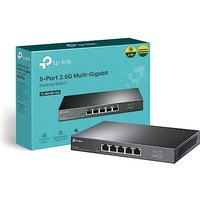
TP-Link TL-SG105-M2 Unmanaged 5-Port 2.5G Multi-Gigabit Network Switch, Desktop & Wall-Mounting, 2.5GE LAN Ports for WiFi 6 Networking, 802.1p/DSCP Qo
Amazon Sellers Programme (UK)

Microsoft Exam MTA 98-366: Networking Fundamentals Online Training Course
Learning 24/7