
Contents (14 sections)
Networking in the legal profession is an essential skill that aspiring lawyers must cultivate to advance their careers. Building authentic relationships within the legal community not only opens doors to career opportunities but also helps to develop a support system that can guide you through the challenging landscape of the legal field in 2026 and beyond. In this article, we will explore effective strategies for networking, essential skills, and common pitfalls to avoid.
What is Networking in the Legal Profession?
Networking in the legal profession refers to the deliberate process of building and maintaining professional relationships that can be beneficial for career advancement. This can involve meeting other legal professionals, engaging with mentors, and developing connections that may lead to job opportunities or collaboration on cases. Effective networking helps legal practitioners stay informed about trends and changes in the field, making it crucial for success in 2026.
The legal landscape is evolving rapidly, with demands for new skills and areas of expertise. According to recent studies, nearly 70% of legal job placements come from networking, showcasing its significance in the profession. Moreover, networking fosters a sense of community, encouraging knowledge sharing and professional development amongst peers.

NETGEAR GS752TP 48 Ports Ethernet Switch - Up to 760W PoE+ Budget Business Networking Solution
box.co.uk

HPE Aruba Networking Networking Instant On Switch 24p Gigabit 2p SFP 1830
Quzo UK

Zebra SW-ALLTOUCHTE-AND networking software Terminal emulation
Back to the Office
Step-by-Step Networking Strategies
Networking effectively requires a strategic approach. To assist aspiring lawyers, here’s a structured plan to improve your networking capabilities:
Step 1: Identify Your Networking Goals
Before you begin networking, establish clear objectives. Are you looking for a mentor, job opportunities, or expanding your professional knowledge? Setting specific goals will guide your networking efforts more efficiently. For instance, if your goal is to find a mentor, seek out experienced legal professionals in your desired field.
Step 2: Build Your Online Presence
In today’s digital age, having a strong online presence is vital. Utilise platforms like LinkedIn to showcase your qualifications, experiences, and interests in the legal field. Regularly share insights related to your practice area, engage with others’ content, and connect with legal professionals to bolster your visibility.
Step 3: Attend Events and Workshops
Legal seminars, workshops, and conferences offer perfect opportunities to meet potential connections. Engage actively by asking questions, participating in discussions, and exchanging contact information. For example, attending a bar association meeting allows you to meet judges and seasoned lawyers who can provide valuable advice.
Step 4: Follow Up and Maintain Relationships
After meeting someone new, follow up with a personalized message thanking them for their time. This not only showcases your professionalism but also helps to solidify the connection. Consider setting a reminder to check in periodically, whether through social media or email. Building lasting relationships is about nurturing connections over time.
Step 5: Be Authentic
Authenticity is key in networking. People are more likely to engage positively when they feel that you are genuine. Share your career aspirations and interests sincerely. This approach can lead to more meaningful connections compared to merely seeking transactional relationships.
Comparing Networking Approaches
In assessing various networking methods, it’s essential to distinguish between in-person and online approaches. Here's a quick comparison:
| Criteria | In-Person Networking | Online Networking | Verdict |
|---|
Overall, a combination of both methods can yield the best results to maximise your networking potential.
Data and Statistics on Legal Networking
Understanding the impact of networking in the legal profession can motivate improved efforts. A survey conducted by Thomson Reuters found that 90% of legal professionals agree that personal connections are valuable for career progression, while 60% reported gaining their current positions through networking. Such statistics illustrate the vital role networking plays in shaping legal careers.
In addition, a report from the American Bar Association highlighted that lawyers with diverse professional networks enjoy higher productivity levels and improved mental health. Engaging with peers fosters a support system that contributes to overall well-being.
Frequently Asked Questions
What is the best way to start networking in the legal profession?
Begin by attending legal events and creating a professional online presence on platforms like LinkedIn. Make genuine connections and set clear networking goals.
How important is social media for networking?
Social media is crucial in today’s legal profession. Platforms like LinkedIn help you showcase your expertise and connect with legal professionals worldwide.
Should I always follow up after meeting someone?
Yes, following up is essential. It demonstrates professionalism and a genuine interest in maintaining the connection.
What if I'm not comfortable networking?
Start small. Attend smaller events and practice your pitch with friends or mentors. Over time, your confidence will grow.

StarTech.com USB Bluetooth 5.3 Class 1 Adapter Dongle for PC/Laptop, Long-Range Connectivity for Keyboard, Mouse, Audio Streaming and PAN Networking,
Back to the Office

HPE Aruba Networking AP-POE-ATSR 1-Port Smart Rate 802.3at 30W Midspan Injector
Quzo UK

Glossary
| Term | Definition |
|---|---|
| Mentor | An experienced individual who offers guidance to less experienced professionals. |
| Networking | The process of creating meaningful relationships for mutual professional benefit. |
| Professional Presence | The way you present yourself in professional environments, both online and offline. |
Checklist Before Networking
- [ ] Establish clear networking goals.
- [ ] Create or enhance your online professional profiles.
- [ ] Research and register for relevant events.
- [ ] Prepare your introduction and practice it.
- [ ] Follow up with new contacts within 48 hours.
💡 Conclusion: Effective networking in the legal profession is a continuous journey that requires intention and effort. By applying these strategies and actively engaging with the legal community, you can develop a robust network that supports your career progression.
📺 For further insights: [Networking strategies for lawyers] provides an in-depth discussion on how to cultivate professional relationships effectively. Search for **
Recommended products
Selected by our experts


HPE Aruba Networking AP-ANT-320 Cabled RP-SMA Tri-Band 2x2 Downtilt Omni Ceiling Antenna
Quzo UK

HPE Aruba Networking AP-POE-BT10 1-port 10G 60W Midspan 802.3bt PoE Injector
Quzo UK

Mini USB 2.0 WiFi Wireless Adapter WI-FI Network Card 802.11n 150M Networking WI FI Adapter
Alibaba UK
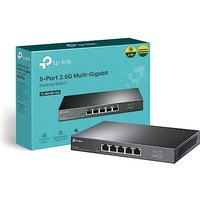
TP-Link TL-SG105-M2 Unmanaged 5-Port 2.5G Multi-Gigabit Network Switch, Desktop & Wall-Mounting, 2.5GE LAN Ports for WiFi 6 Networking, 802.1p/DSCP Qo
Amazon Sellers Programme (UK)

Microsoft Exam MTA 98-366: Networking Fundamentals Online Training Course
Learning 24/7