
Contents (14 sections)
Networking is a crucial skill for legal professionals, impacting various aspects of their careers significantly. In the legal sector, where competition is fierce and opportunities often arise through personal connections, the power of networking cannot be overstated. Establishing a robust network facilitates not only career advancement but also knowledge sharing and professional development. In today's interconnected world, knowing the right people can open doors to job opportunities, collaborations, and mentorships, ultimately shaping one's legal career path.
The act of networking involves more than just exchanging contact information; it is about building genuine relationships over time. This relationship-building process is essential, especially in law, where referrals and trust can make a substantial difference in the trajectory of one's career. According to data from the Legal Services Board, a staggering 82% of job openings in the legal field are filled through networking rather than traditional job postings. Understanding the trends and dynamics of the industry helps legal professionals tailor their networking strategies effectively.
Strategies for Effective Networking in the Legal Sector
Building a successful network requires a thoughtful approach. Here’s a step-by-step guide to help legal professionals nurture their networks effectively:
Step 1: Attend Legal Conferences and Seminars
Participating in legal conferences and seminars is a great way to meet like-minded professionals. These events often facilitate discussions and knowledge-sharing sessions, making them perfect venues for networking. Make sure to engage actively in these settings; introduce yourself, ask insightful questions, and exchange contact details. Following the event, a quick email to express your enjoyment of the conversation can help solidify the connection.
Step 2: Join Professional Associations
Legal associations or professional bodies provide a structured environment for networking. Many organisations run committees or working groups tailored to specific areas of law. By participating in these groups, professionals can expand their network while also gaining valuable insights into their field. Networking within these associations can lead to collaborative opportunities and increased visibility within the community.
Step 3: Leverage Social Media
Platforms like LinkedIn are invaluable for modern networking. Regularly update your profile, share articles, and engage with posts related to your field. Joining LinkedIn groups can also connect you with professionals sharing your interests. Don't hesitate to reach out to individuals whose work you admire or who share common professional interests; a friendly message expressing your appreciation for their content can lead to meaningful conversations.
Comparing Networking Opportunities: In-person vs. Online
When considering networking opportunities, it’s essential to assess the strengths and weaknesses of both in-person and online interactions. Here’s a comparative overview:
| Criteria | In-person Networking | Online Networking | Verdict |
|---|---|---|---|
| Personal Connection | High – direct interaction | Moderate – less personal | In-person wins for connections |
| Accessibility | Limited by location | High – global reach | Online reaches a broader audience |
| Cost | Often higher (travel, fees) | Generally low or free | Online is more cost-effective |
| Engagement Speed | Immediate feedback | Slower – exchange time | In-person allows quicker responses |

Zebra SW-ALLTOUCHTE-AND networking software Terminal emulation
Back to the Office

StarTech.com USB Bluetooth 5.3 Class 1 Adapter Dongle for PC/Laptop, Long-Range Connectivity for Keyboard, Mouse, Audio Streaming and PAN Networking,
Back to the Office

HPE Aruba Networking AP-POE-ATSR 1-Port Smart Rate 802.3at 30W Midspan Injector
Quzo UK
The Return on Investment for Networking
The time and effort put into networking yield significant returns. According to a study conducted by Harvard Business Review, professionals who actively engage in networking are 45% more likely to receive job offers compared to those who don’t. Networking can also lead to mentorship opportunities, which are critical for career development.
Furthermore, professionals who maintain a diverse network often have access to a wider range of resources and support. This diversity can be crucial for navigating complex legal issues, as different perspectives and experiences can inform better decision-making. Therefore, consider investing time into building a holistic professional network.
💡 Expert Opinion: Networking isn’t merely a skill; it's an essential career asset. As a former law firm partner, I found that cultivating relationships with former colleagues and industry peers was instrumental in both client referrals and professional growth. Networking is about building a community where information and opportunities circulate freely.
Frequently Asked Questions
Q: What are the best ways to approach someone for networking?
A: When reaching out, be polite and express a genuine interest in their work. Share specific reasons for your approach to make it personal and engaging.
Q: How important is follow-up after networking events?
A: Follow-up is crucial. A timely thank-you note can reinforce the connection made during the event and keep you in their mind for future opportunities.
Q: Can networking help with career transitions?
A: Absolutely! Networking can introduce you to professionals in your desired field, provide insights into different roles, and help you explore potential job leads.
Q: How often should I network?
A: Networking should be an ongoing effort. Aim to attend events, engage on social media, and reach out to contacts regularly to nurture and expand your network.
Glossaire
| Terme | Définition |
|---|---|
| Networking | Process of establishing and nurturing professional relationships. |
| Professional Associations | Organisations that provide networking opportunities for individuals in specific fields. |
| Mentorship | A relationship between an experienced professional and a less experienced individual for guidance. |
Checklist Before Networking
- [ ] Research events or seminars tailored to my interests.
- [ ] Update my LinkedIn profile with recent achievements.
- [ ] Prepare discussion topics or questions prior to meeting contacts.
- [ ] Follow up with new connections within a week after meeting.
- [ ] Regularly engage with my network through social media.
📺 To go further: Explore Networking Tips for Legal Professionals, a detailed analysis of best practices. Search on YouTube: "networking for lawyers 2026".
📺 Pour aller plus loin : networking for lawyers 2026 sur YouTube



HPE Aruba Networking AP-ANT-320 Cabled RP-SMA Tri-Band 2x2 Downtilt Omni Ceiling Antenna
Quzo UK
Recommended products
Selected by our experts

HPE Aruba Networking AP-POE-BT10 1-port 10G 60W Midspan 802.3bt PoE Injector
Quzo UK

Mini USB 2.0 WiFi Wireless Adapter WI-FI Network Card 802.11n 150M Networking WI FI Adapter
Alibaba UK
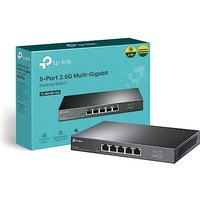
TP-Link TL-SG105-M2 Unmanaged 5-Port 2.5G Multi-Gigabit Network Switch, Desktop & Wall-Mounting, 2.5GE LAN Ports for WiFi 6 Networking, 802.1p/DSCP Qo
Amazon Sellers Programme (UK)

Microsoft Exam MTA 98-366: Networking Fundamentals Online Training Course
Learning 24/7

HPE Aruba Networking 9114 Hybrid gateway/controller 1000, 10000 Mbit/s
Back to the Office

HPE Aruba Networking 6000 24G 4SFP Managed L3 Gigabit Ethernet (10/100/1000) 1U
Back to the Office